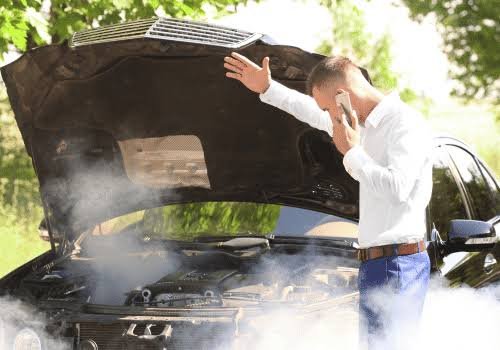
There’s a particular kind of dread that comes with watching your temperature gauge creep up while stuck in traffic on a 45°C afternoon. Understanding the real engine overheating causes ahead of time can save you from exactly that situation, or at least help you handle it calmly if it happens.
I had my own overheating scare a few summers back, and what struck me afterward was how preventable it actually was — a coolant leak I’d genuinely ignored for weeks because “it wasn’t that low yet.”
The Most Common Causes
Engine overheating causes typically boil down to a handful of recurring issues — low coolant levels, a failing radiator fan, a stuck thermostat, or a clogged radiator restricting proper heat exchange.
Low Coolant: The Most Frequent Culprit
Coolant is what actually carries heat away from your engine. When levels drop, whether from evaporation, a slow leak, or simple neglect, the cooling system loses its ability to regulate engine temperature effectively.
- Check coolant levels monthly during summer, always when the engine is cool
- Look for coolant puddles under the parked car, which usually indicate a leak somewhere in hoses or the radiator itself
- Never top up with plain water alone for extended periods — it lacks the anti-corrosion properties proper coolant provides
A Stuck Thermostat Can Fool You
The thermostat regulates coolant flow based on engine temperature. If it gets stuck closed, coolant can’t circulate properly even if levels are fine, causing rapid overheating that seems to come out of nowhere.
Radiator Fan Issues
- A faulty fan motor won’t kick in when needed, especially noticeable during idling in traffic on hot days
- A blown fuse or faulty relay can silently disable the fan without any obvious warning sign until temperatures spike
- Get the fan’s automatic activation tested during routine servicing, especially before summer starts
Clogged Radiator: Often Overlooked
Over years of use, radiators can accumulate scale, rust, and debris internally, restricting coolant flow and reducing cooling efficiency. A radiator flush every 2 years or so helps prevent this buildup from becoming a real problem. [link to radiator maintenance guide here]
Driving Habits That Make It Worse
Idling for long periods in heavy traffic with the AC running at max genuinely puts extra strain on the cooling system, especially in older vehicles with less efficient cooling designs. Has your temperature gauge ever crept up specifically during long traffic jams? That’s a common pattern worth noting.
What to Do If Overheating Happens
Pull over immediately rather than pushing through hoping it resolves itself. Turn off the AC, switch the heater on briefly since it draws heat away from the engine bay, and let the vehicle idle or rest until temperatures normalize before checking anything under the hood.
Preventive Steps Before Summer Hits
- Get a full cooling system check during your pre-summer service
- Replace aging radiator hoses showing any cracks or bulges, since rubber degrades with age and heat exposure
- Ensure your radiator cap maintains proper system pressure, a weak cap is a surprisingly common overlooked cause
FAQ
What are the most common engine overheating causes? Low coolant levels, a faulty radiator fan, a stuck thermostat, and a clogged radiator are the most frequent causes of engine overheating.
How can I prevent my engine from overheating in summer? Check coolant levels monthly, get your cooling system inspected before summer, and replace any aging hoses or a weak radiator cap promptly.
Is it safe to keep driving if my engine starts overheating? No, pull over immediately and let the engine cool rather than continuing to drive, which can cause serious, expensive engine damage.
Does heavy traffic idling contribute to overheating? Yes, prolonged idling in traffic, especially with AC running, puts extra strain on the cooling system, particularly in older or poorly maintained vehicles.
Can low coolant alone cause an engine to overheat? Yes, it’s actually the single most common cause, since coolant is essential for carrying heat away from the engine effectively.
Conclusion
Understanding these engine overheating causes before summer peaks genuinely helps you catch problems early rather than dealing with a roadside breakdown. Get your cooling system checked this month if you haven’t already — it’s a small investment that prevents a much bigger, costlier repair down the line.