There’s a specific kind of panic that sets in when your car suddenly loses power on a highway with trucks whizzing past at 90 kmph. Knowing exactly what to do if car breaks down ahead of time genuinely changes how calmly you handle that moment when it actually happens.
I broke down once on NH48 late in the evening, and looking back, the biggest mistake I made wasn’t the breakdown itself — it was not having a proper plan for those crucial first few minutes.
The First 60 Seconds Matter Most
Knowing what to do if car breaks down starts with getting your vehicle safely off the active traffic lane as quickly as possible, using hazard lights immediately to alert approaching traffic.
Immediate Safety Steps
- Turn on hazard lights the moment you sense something’s wrong, even before you’ve fully stopped
- Steer toward the road shoulder or breakdown lane, avoiding sudden braking that could surprise vehicles behind you
- Once stopped, exit the vehicle from the side away from traffic, not the side facing oncoming vehicles
- Place a reflective warning triangle roughly 50-100 meters behind your vehicle if you’re carrying one
Why Staying Inside the Car Can Be Risky
On busy highways, especially at night or in poor visibility, standing right next to your vehicle on the traffic side is genuinely more dangerous than most people realize. Moving well away from the road, behind a barrier if available, is safer while you wait for help.
Who to Call First
- Your insurance provider’s roadside assistance number, if you have this add-on, is usually your fastest and cheapest option
- Highway patrol or local traffic police, whose numbers are often displayed on highway signage at regular intervals
- A trusted local mechanic if you’re near a town, though this works better for minor issues than major breakdowns
Common Breakdown Causes and Quick Checks
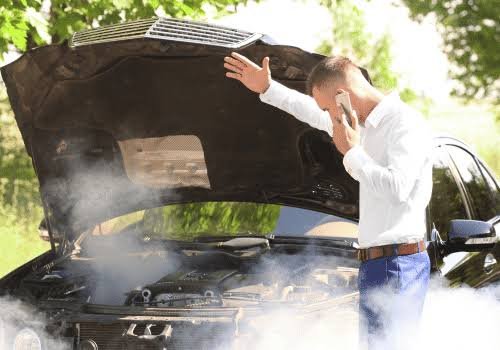
- Overheating — check if the temperature gauge was climbing before the breakdown, a common warning sign
- Battery failure — dashboard lights dimming or a slow crank before stalling often points here
- Fuel issues — running low or contaminated fuel can cause sudden stalling, especially on longer trips
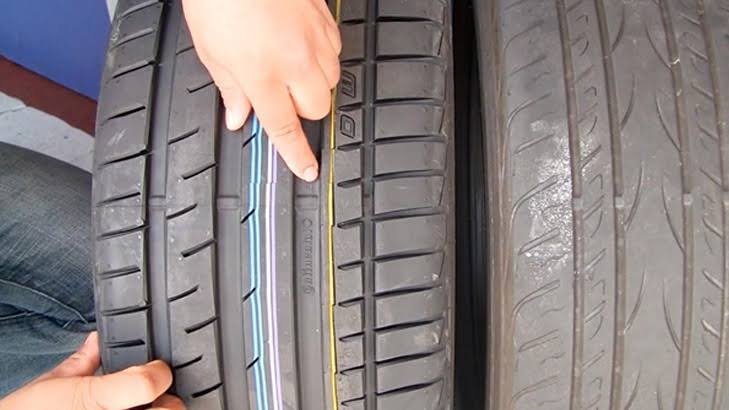
- Flat tyre — usually accompanied by a distinct vibration or pulling sensation before you actually stop [link to tyre life guide here]
What to Keep in Your Car for Emergencies
A basic emergency kit genuinely makes a difference — a reflective triangle, a torch, a portable tyre inflator, jumper cables, and a fully charged power bank for your phone. Picture being stuck after dark with a dead phone battery — that power bank alone can be the difference between a quick resolution and hours of stress.
If You’re Traveling With Family
Keep children and other passengers away from the roadside, ideally behind a barrier or well off the shoulder, while you assess the situation or wait for help. Safety takes priority over trying to diagnose the problem yourself in that moment.
After the Breakdown: What to Check Later
Once you’re safely off the road and the immediate situation is handled, note down exactly what symptoms occurred before the breakdown — this genuinely helps mechanics diagnose the issue faster than a vague description later.
FAQ
What should I do first if my car breaks down on the highway? Turn on hazard lights immediately, steer safely to the shoulder, and exit the vehicle from the side away from oncoming traffic.
Is it safe to stand next to my car while waiting for help on a highway? No, it’s safer to move well away from the road, ideally behind a barrier, especially at night or in low visibility conditions.
What should I carry in my car for emergencies? A reflective warning triangle, torch, portable tyre inflator, jumper cables, and a charged power bank are essential emergency items to keep on hand.
Who should I call first during a highway breakdown? Your insurance provider’s roadside assistance, if available, is usually the fastest option, followed by highway patrol numbers often listed on highway signage.
What are common causes of sudden car breakdowns? Overheating, battery failure, fuel issues, and flat tyres are among the most common causes of unexpected breakdowns on highways.
Conclusion
Knowing what to do if car breaks down before it actually happens genuinely reduces panic and keeps you safer during a stressful situation. Take five minutes this week to put together a basic emergency kit if you don’t already have one — it’s a small effort that pays off exactly when you need it most.