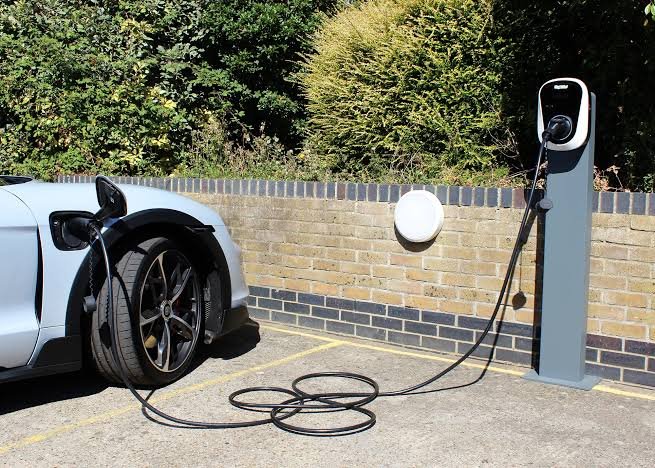
The moment you decide to buy an electric car, a second, less glamorous decision follows right behind it — how are you actually going to charge the thing every day? Getting your ev home charging setup right before delivery day saves you a lot of scrambling later, trust me.
I helped a neighbor plan his home charging setup last year, and the process took longer than either of us expected — mostly because nobody warns you about the electrical panel checks upfront.
Why Home Charging Matters More Than Public Charging
A ev home charging setup handles roughly 80-90% of most owners’ charging needs, with public fast chargers reserved mainly for long trips — this is the opposite of how most people initially assume EV charging works.
Types of Home Chargers
- Standard 15A socket charging — slowest option, roughly 8-10 hours for a full charge, but needs no special installation
- AC Wall Box (7.2 kW) — cuts charging time to roughly 4-6 hours, the most common home setup
- DC Fast Charger — expensive and rarely installed at home, mainly a public charging solution
For most households, the AC wall box strikes the right balance between cost and convenience.
Step-by-Step Setup Process
- Get your home’s electrical load checked by a qualified electrician first — this is the step most people skip and regret
- Apply for a separate EV charging connection with your electricity provider if required in your state
- Choose a wall box charger, typically costing ₹35,000-60,000 including installation
- Ensure proper earthing and a dedicated circuit breaker for the charging point
- Install in a covered area if possible, since exposure to direct rain long-term isn’t ideal for the equipment
A Quick Reality Check on Apartment Living
If you live in an apartment without dedicated parking, home charging becomes genuinely tricky. You’ll need society approval, a fixed parking spot, and often a longer cable run — worth checking all of this before you commit to buying the car.
Electrical Load Requirements
Most homes in India run on a single-phase connection with 5-10 kW sanctioned load. A 7.2 kW charger alone can push you close to your limit if you’re also running an AC and other appliances simultaneously. This is exactly why the electrician check in step one matters so much.
Picture a homeowner in Vaishali Nagar who installed a charger without checking this first — his main breaker tripped every time he charged the car with the AC running, until an electrician upgraded his sanctioned load.
Cost Breakdown You Should Expect
- Wall box charger unit: ₹35,000-55,000
- Installation and wiring: ₹8,000-15,000 depending on distance from the meter
- Load enhancement application (if needed): ₹3,000-8,000 plus provider fees
- Annual electricity cost for charging: roughly ₹25,000-35,000 for average usage
Common Mistakes to Avoid
Don’t use a regular household extension cord for regular EV charging — it’s a genuine fire risk over repeated heavy use. Also, don’t skip getting your earthing tested; a faulty earth connection with EV charging equipment is a real safety hazard, not just a technicality.
FAQ
Do I need a special electrical connection to charge an EV at home? In many cases yes, especially for faster AC wall box charging — check with your local electricity provider about EV-specific tariffs and connections.
How much does it cost to install a home EV charger in India? Total cost including the charger unit and installation typically ranges from ₹45,000-70,000, depending on your home’s electrical setup and distance from the meter.
Can I charge an EV using a normal home socket? Yes, but it’s slow — expect 8-10 hours for a full charge, which works fine only if you’re not driving long distances daily.
Is home charging cheaper than public charging stations? Generally yes, home charging costs less per unit than public fast chargers, making it the more economical option for daily use.
Do apartment residents need society approval for EV charging? Usually yes, along with a dedicated parking spot — it’s worth confirming with your housing society before purchasing an EV.
Conclusion
Getting your ev home charging setup sorted properly before your car arrives makes the entire ownership experience smoother from day one. Get an electrician to check your home’s load capacity this week if you’re planning an EV purchase soon — it’s the one step that prevents almost every common charging headache people run into later.