This is probably the single most common question I get asked whenever someone’s considering an EV — “but what happens when the battery dies?” It’s a fair worry, and honestly, the answer isn’t as scary as most people assume. Understanding ev battery life properly can save you from both unnecessary panic and unpleasant surprises down the road.
I’ve followed a few EV owner communities online for a while now, and the real-world degradation data is genuinely more reassuring than the doom-and-gloom social media posts suggest.
What Actually Determines Battery Life
An ev battery life typically ranges from 8-10 years or 150,000-200,000 km before capacity drops to a point where replacement becomes worthwhile, depending heavily on charging habits and climate conditions.
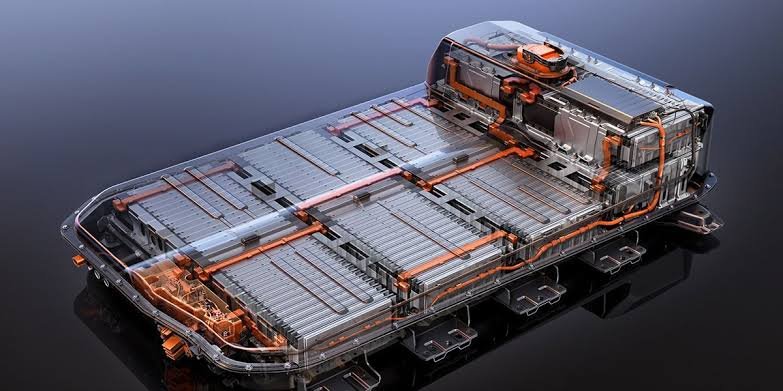
Lithium-ion batteries, the type used in nearly all EVs today, degrade gradually rather than failing suddenly. Think of it less like a light bulb that just stops working, and more like a phone battery that slowly holds less charge over years.
Factors That Speed Up Degradation
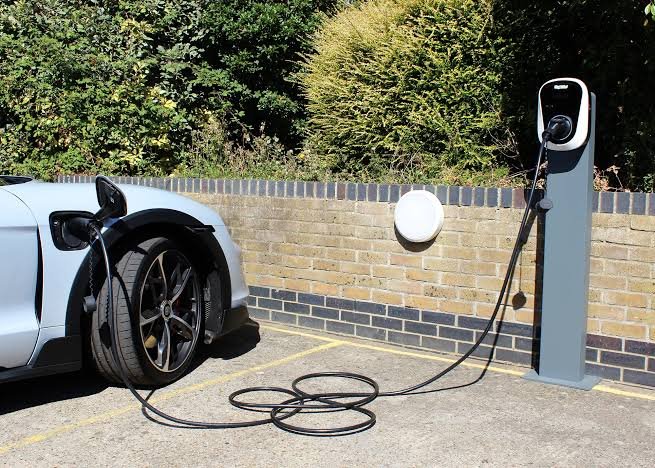
- Frequent fast charging, especially daily use of DC fast chargers instead of home AC charging
- Consistently charging to 100% and letting it sit there for long periods
- Extreme heat exposure, which is genuinely relevant in Rajasthan summers touching 45°C+
- Deep discharge cycles, repeatedly running the battery down to near-zero before charging
I’ve noticed EV owners who charge overnight to 80% consistently report noticeably better long-term battery health compared to those who fast-charge daily and run it near empty.
The 80% Rule Explained
Most manufacturers recommend charging to 80% for daily use and reserving 100% charges for longer trips. This single habit alone can meaningfully extend usable battery life over several years.
Warranty Terms in India
Most manufacturers now offer:
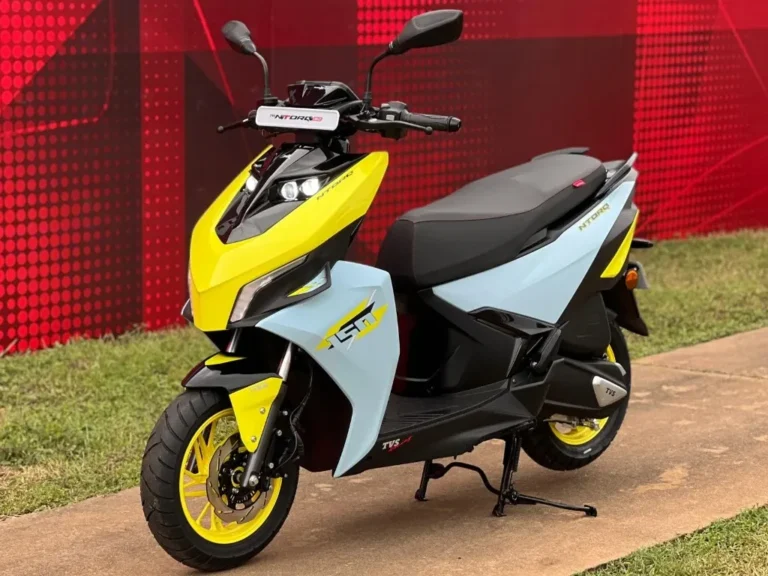
- 3 years or 30,000-50,000 km for two-wheelers
- 8 years or 160,000 km for most electric cars, a standard that’s become fairly universal
- Battery capacity guarantee, typically promising at least 70% capacity retention within the warranty period
Tata, MG, and Hyundai all currently offer 8-year battery warranties on their EV cars, which genuinely brings peace of mind for long-term ownership.
Real Cost of Battery Replacement
This is the number everyone actually wants — replacement batteries for electric two-wheelers currently cost roughly ₹35,000-60,000, while EV car battery packs can run ₹3-6 lakh depending on capacity. That’s significant, which is exactly why the warranty period matters so much when buying.
Does Climate Really Affect Battery Life That Much?
Yes, more than people expect. Extreme heat accelerates chemical degradation inside the cells, so EVs in Rajasthan or Gujarat may see slightly faster degradation than the same model in a cooler climate, unless the battery management system is well-designed with active cooling.
Signs Your EV Battery Is Degrading
Watch for these:
- Noticeably reduced range compared to when the vehicle was new
- Charging taking longer than it used to for the same percentage
- Battery indicator behaving inconsistently, jumping percentages unexpectedly
FAQ
How many years does an EV battery typically last? Most EV batteries last 8-10 years or around 150,000-200,000 km before significant capacity loss, though this varies with usage and climate.
Does frequent fast charging damage EV batteries? Yes, regular fast charging generates more heat and stress on battery cells, gradually accelerating degradation compared to standard home charging.
Is it bad to charge my EV to 100% every day? For daily use, charging to 80% is generally better for long-term battery health; reserve 100% charges for longer trips when you need the extra range.
How much does EV battery replacement cost in India? Two-wheeler batteries typically cost ₹35,000-60,000 to replace, while car battery packs range from ₹3-6 lakh depending on the vehicle and capacity.
Does hot weather affect EV battery life significantly? Yes, sustained extreme heat accelerates battery degradation, making battery management system quality an important factor in hotter regions of India.
Conclusion
Understanding ev battery life properly shows it’s genuinely less scary than most people assume — with sensible charging habits, most EV batteries will comfortably outlast the typical ownership period before replacement becomes a real concern. If you’re already an EV owner, start with one simple change: switch to 80% daily charging instead of always topping up to full. It’s a small habit with a real long-term payoff.