Two years ago, buying an electric scooter felt like a gamble — service centers were scarce, and range claims rarely matched reality. That’s changed a lot. If you’re shopping for the best electric scooter under 1.5 lakh in 2026, you’re actually walking into a genuinely mature market now.
I test rode four different electric scooters last year while helping a cousin decide, and the difference between the best and worst in terms of build quality was honestly bigger than I expected.
Why This Price Band Makes Sense
Under ₹1.5 lakh is the segment where you get real usable range, decent build quality, and a wide enough service network — go cheaper and you often compromise on all three at once.
A electric scooter under 1.5 lakh in this range typically delivers 90-140 km of real-world range per charge, which comfortably covers most urban commuting needs without daily charging anxiety.
Top Picks Worth Considering
- Ola S1 Pro — around ₹1.3-1.4 lakh, strong performance figures, though service experience varies quite a bit by city
- TVS iQube — around ₹1.2-1.4 lakh, one of the more reliable options with a wide dealer network
- Bajaj Chetak — around ₹1.15-1.35 lakh, retro styling, feels solidly built, slightly lower top speed
- Ather 450X — around ₹1.3-1.45 lakh, best-in-class software and touchscreen dash, loved by tech-focused buyers
Honestly, if reliability and service network matter more to you than flashy features, I’d lean TVS or Bajaj here. Ather is fantastic on paper, but service centers are still thinner in smaller cities.
Real Range vs Claimed Range
Manufacturers often quote range under ideal conditions — flat road, single rider, moderate speed. Real-world range in city traffic with AC-heavy Indian summers typically runs 15-20% lower than claimed figures.
Charging Considerations
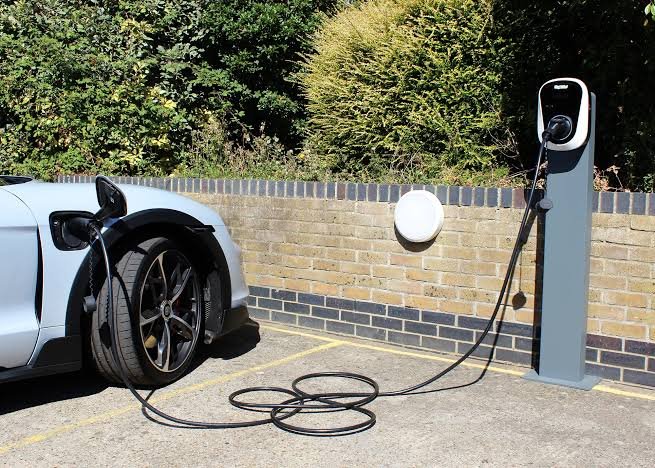
Most of these scooters take 4-6 hours for a full charge on a standard home socket, and fast-charging options can bring that down to under an hour for 0-80%. [link to EV home charging setup guide here]
Running Cost Comparison
Here’s what actually makes EVs attractive financially:
- Charging cost — roughly ₹1-1.5 per km compared to ₹3-4 per km for petrol scooters
- Maintenance — significantly lower, no engine oil, fewer moving parts
- Insurance — comparable to petrol, sometimes slightly cheaper
- Battery replacement — the big long-term cost, typically needed after 3-5 years
Picture a food delivery rider in Jaipur switching from a petrol scooter to an Ather — he told me his daily fuel cost dropped from about ₹150 to under ₹40, which over a month is a genuinely significant saving.
What to Check Before Buying
Don’t just check the range figure. Ask about the local service center’s actual turnaround time for repairs, check battery warranty terms carefully (usually 3 years or 30,000-50,000 km), and test ride on an actual uneven road, not just the showroom floor.
FAQ
Which electric scooter has the best real-world range under 1.5 lakh? The Ola S1 Pro and Ather 450X both offer strong real-world range, typically 100-120 km depending on riding conditions and speed.
How long does an electric scooter battery actually last? Most manufacturers offer 3-year or 30,000-50,000 km warranties, with real-world battery life often extending to 5-6 years with proper care.
Is charging an electric scooter at home safe? Yes, as long as you use the manufacturer-provided charger and a stable, properly earthed socket — avoid extension boards for regular charging.
Are electric scooters cheaper to maintain than petrol scooters? Yes, significantly. Fewer moving parts mean lower servicing costs, though battery replacement after several years is a cost to plan for.
Which brand has the best service network for electric scooters in India? TVS and Bajaj currently have the widest service networks, given their existing petrol vehicle dealership infrastructure.
Conclusion
Picking the best electric scooter under 1.5 lakh really comes down to weighing performance against service reliability in your specific city. Ather and Ola lead on features, while TVS and Bajaj lead on peace of mind. Before you buy, call up your nearest service center directly and ask how long a typical repair takes — that one question tells you more than any spec sheet.