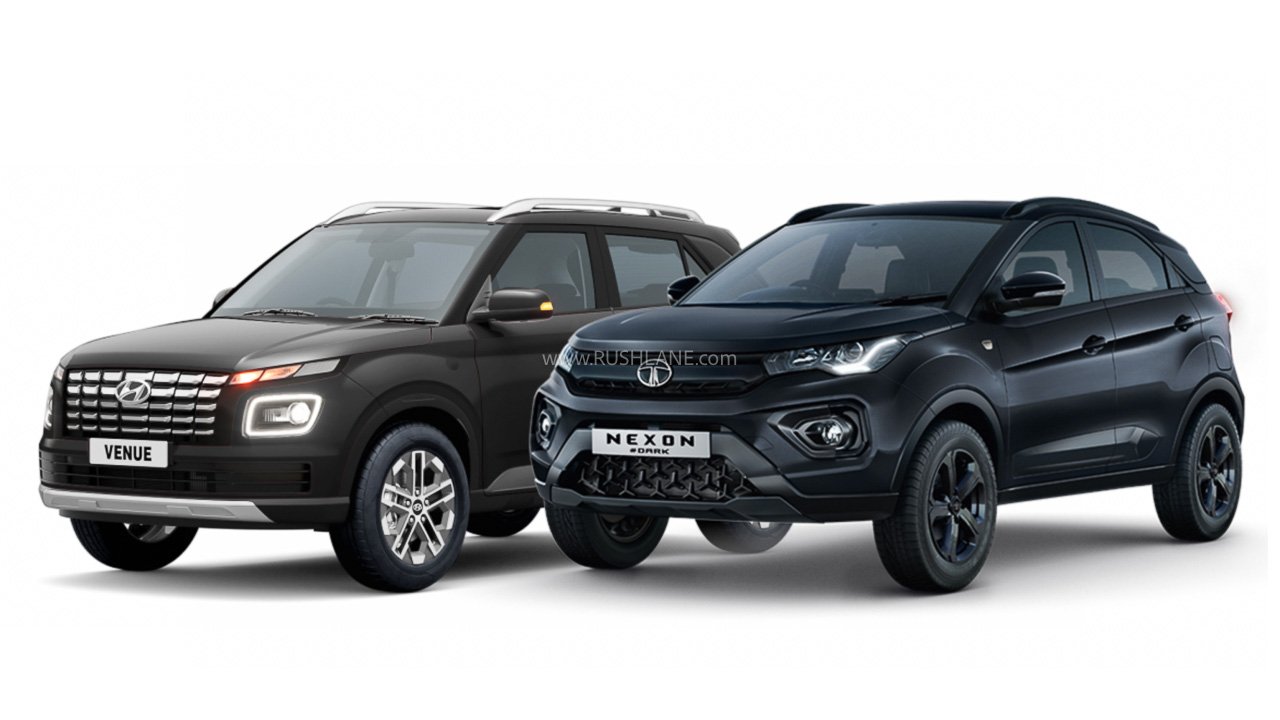
Walk into any Tata or Hyundai showroom in India and you’ll likely see these two cars pitched against each other by sales staff on both sides. This Tata Nexon vs Hyundai Venue comparison tries to cut through the sales pitch and focus on what genuinely differs between them.
I’ve driven both back to back over a weekend a while ago, and honestly, the choice isn’t as obvious as either brand’s marketing wants you to believe.
Safety: Where Nexon Clearly Leads
The Nexon carries a 5-star Global NCAP rating and has built its entire brand identity around safety credentials. The Venue is respectable but doesn’t quite match that same safety benchmark on paper.
A Tata Nexon vs Hyundai Venue comparison on safety alone tilts clearly toward the Nexon, which offers a stronger crash-test rating and a more robust body structure, based on independent testing data.
Engine and Performance
- Nexon: 1.2L turbo-petrol and 1.5L diesel options, genuinely peppy in the petrol variant, decent low-end torque
- Venue: 1.2L naturally aspirated petrol and 1.0L turbo-petrol, the turbo variant feels noticeably livelier in city driving
- Real-world mileage: Nexon petrol around 15-17 kmpl city, Venue turbo-petrol around 16-18 kmpl city
Honestly, if outright engine refinement is your priority, the Venue’s turbo unit felt marginally smoother to me during my test drive, though the Nexon’s low-end punch is more useful in stop-start traffic.
Interior Quality and Features
Hyundai has traditionally held an edge in interior fit-and-finish, and that holds true here too — the Venue’s cabin feels a notch more premium in terms of switch quality and touch points, even though Tata has closed the gap significantly with recent updates.
Space and Practicality
Boot space favors the Nexon slightly, at 382 litres compared to the Venue’s 350 litres — not a massive difference, but noticeable if you regularly carry more luggage.
- Rear seat legroom is comparable between both, neither feels cramped for average-height adults
- Nexon’s dashboard layout feels slightly more modern with its digital cluster
- Venue offers a more conventional but still user-friendly infotainment system
Pricing Comparison
Both cars sit in a similar bracket, roughly ₹8-15 lakh ex-showroom depending on variant, making the decision more about priorities than budget in most cases.
Which Should You Actually Buy?
Picture two friends shopping together — one prioritizing safety scores above everything else, the other caring more about cabin refinement and Hyundai’s service reputation. Honestly, both walked away with the “right” car for themselves, and that’s really the takeaway here. [link to car insurance guide here]
Resale Value Consideration
Hyundai generally holds slightly better resale value in most Indian cities due to brand perception, though Tata has been closing this gap steadily as the Nexon’s safety reputation has grown.
FAQ
Which is safer, Tata Nexon or Hyundai Venue? The Tata Nexon has a stronger Global NCAP safety rating and is widely regarded as the safer option between the two in independent crash tests.
Which has better mileage, Nexon or Venue? The Hyundai Venue’s turbo-petrol variant offers slightly better real-world city mileage, though the difference is marginal at around 1-2 kmpl.
Does the Hyundai Venue have better interior quality than the Nexon? Traditionally yes, Hyundai has held an edge in fit-and-finish, though Tata has significantly narrowed this gap in recent Nexon updates.
Which SUV has more boot space, Nexon or Venue? The Tata Nexon offers slightly more boot space at 382 litres compared to the Venue’s 350 litres.
Which is better for resale value, Nexon or Venue? The Hyundai Venue generally holds marginally better resale value due to brand perception, though this gap has been narrowing over recent years.
Conclusion
This Tata Nexon vs Hyundai Venue comparison shows neither car is objectively “better” across the board — it genuinely depends on whether safety credentials or cabin refinement matters more to you personally. Test drive both over a weekend with your actual daily route in mind, not just a showroom loop, before making the final call.