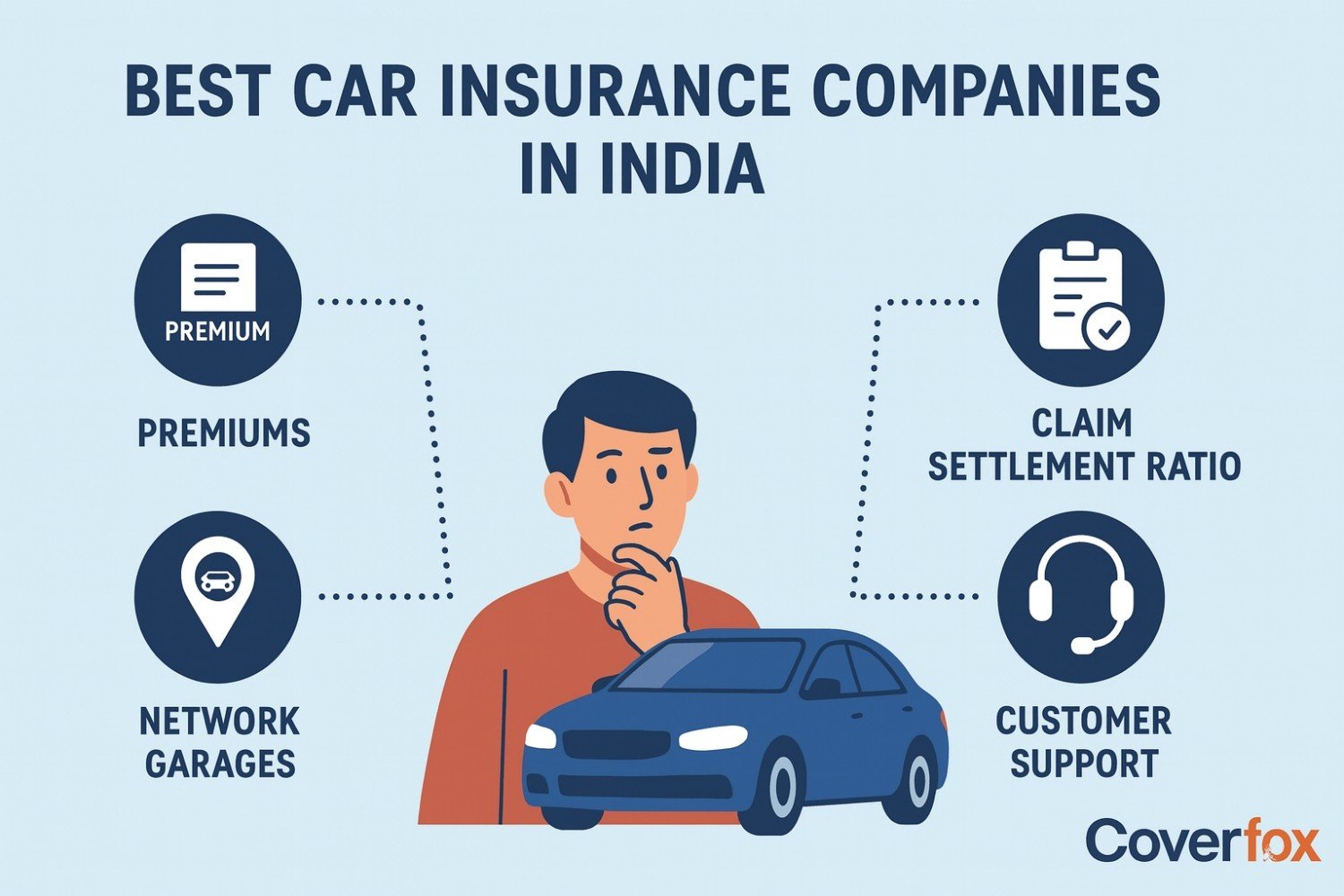
Renewal time rolls around every year, and most of us just click “renew” on whatever plan we had last year without a second thought. That’s actually a mistake. Picking the best car insurance plan properly can save you real money, or worse, save you from a nasty surprise during a claim.
I made this mistake myself for two years running — auto-renewed the same basic plan until a friend pointed out I was massively under-insured on my own car’s replacement value. Lesson learned.
Third-Party vs Comprehensive: Know the Difference
Third-party insurance is legally mandatory in India and covers damage to others, but nothing for your own car. Comprehensive covers your own vehicle too, including theft, fire, and natural disasters.
A best car insurance plan for most private car owners is comprehensive coverage, since third-party alone leaves you paying entirely out of pocket for your own vehicle’s repairs after an accident.
Key Add-Ons Worth Considering
- Zero depreciation cover — genuinely worth it for cars under 5 years old, since it means full claim value without deducting for part wear
- Engine protection cover — important if you live in a flood-prone area or drive through waterlogged roads regularly
- Roadside assistance — cheap add-on, useful if you travel long distances often
- Return to invoice — pays the original invoice value, not depreciated value, if the car is stolen or totaled
What You Probably Don’t Need
Not every add-on is worth the extra premium. Consumables cover, for instance, only makes sense if you’re claiming frequently — for most careful drivers, it rarely pays for itself.
How IDV Affects Your Premium
Insured Declared Value, or IDV, is essentially your car’s current market value as agreed with the insurer. A higher IDV means a higher premium but also a higher payout if the car is totaled or stolen — don’t let agents talk you into an artificially low IDV just to cut premium cost.
Comparing Insurers: What Actually Matters
- Claim settlement ratio — look for insurers consistently above 95%
- Cashless garage network in your city, especially near where you actually live
- Claim processing time, based on real customer reviews, not just insurer marketing
- No-claim bonus transfer policy if you’re switching insurers
Picture someone switching from one insurer to another purely for a ₹2,000 cheaper premium, only to find the new insurer’s nearest cashless garage was 25 km away. Cheapest isn’t always best.
No-Claim Bonus: Don’t Waste It
Your NCB can reduce premiums by up to 50% after five claim-free years. Small claims below ₹10,000-15,000 often aren’t worth filing if it means losing years of accumulated NCB — do the math before filing. [link to car insurance claim tips here]
Mistakes People Commonly Make
Don’t skip reading the policy wording just because it’s long. Exclusions matter — some policies don’t cover mechanical breakdown or wear-and-tear items, and finding that out during a claim is the worst possible time.
FAQ
Is comprehensive car insurance better than third-party? Yes, for most private car owners, since comprehensive covers your own vehicle’s damage too, not just liability toward others.
What is zero depreciation cover and is it worth it? It ensures your claim payout isn’t reduced for part depreciation, and it’s genuinely worth it for cars under 5 years old.
How does IDV affect my car insurance premium? A higher IDV means a higher premium but also a higher claim payout, so don’t let it be set artificially low just to save on premium cost.
Should I file small insurance claims for minor damage? Not always — small claims can cost you your No-Claim Bonus, which may end up costing more over time than paying out of pocket.
How do I check an insurer’s claim settlement ratio? IRDAI publishes annual claim settlement ratio data for all insurers, which is publicly available and worth checking before choosing a policy.
Conclusion
Choosing the best car insurance plan isn’t about grabbing the cheapest premium available — it’s about matching coverage to your actual driving situation and car value. Before your next renewal, actually read through your current policy’s exclusions once, properly. You might find gaps you didn’t know existed.