Rajasthan summers push engines to their absolute limit, and every year, service centers see a spike in overheating complaints the moment temperatures cross 42-43°C. Proper car radiator maintenance before summer hits can genuinely save you from a roadside breakdown at the worst possible time.
I learned this lesson the hard way once, stuck on NH48 in peak May heat with a car that started overheating purely because I’d skipped a coolant check for over a year. Not an experience I’d recommend.
Why Radiator Maintenance Matters More in Summer
A car radiator maintenance routine checked and completed before summer prevents overheating, which if ignored, can lead to serious engine damage costing tens of thousands of rupees in repairs.
Coolant Levels: Check Monthly in Summer
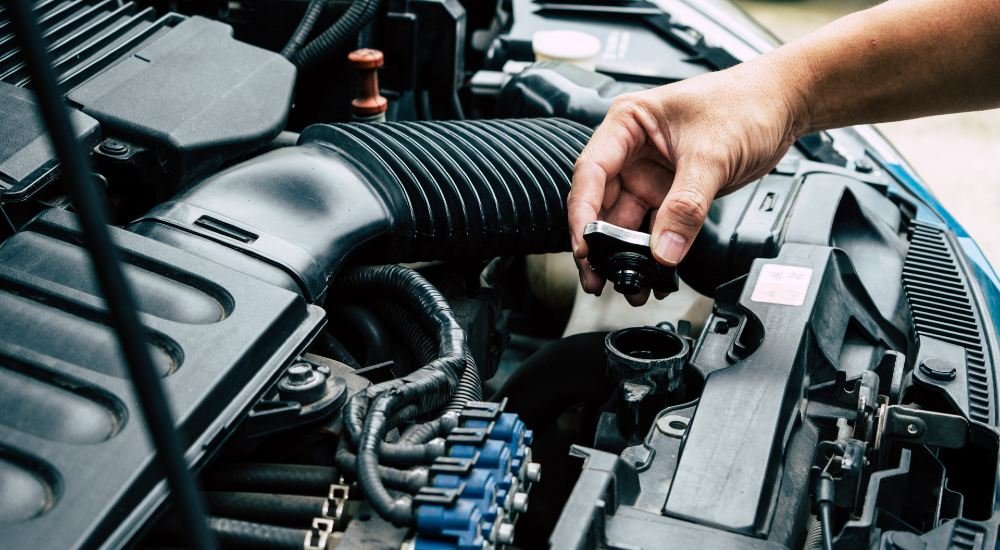
Coolant levels naturally drop slightly over time through evaporation and minor seepage. Checking the reservoir level monthly during summer, when the engine is completely cool, takes less than two minutes and catches problems early.
- Never open the radiator cap on a hot engine — the pressurized coolant can cause severe burns
- Top up with the manufacturer-recommended coolant type, never mix different coolant colors or types
- If you’re consistently topping up more than expected, there’s likely a leak worth investigating
Coolant Flush: How Often
Most manufacturers recommend a full coolant flush every 2 years or 40,000 km, whichever comes first. Old coolant loses its anti-corrosion and heat-transfer properties over time, even if the level itself looks fine.
Signs of Radiator Trouble
- Temperature gauge creeping higher than normal during city traffic or highway driving
- Sweet smell inside the cabin, often indicating a coolant leak somewhere in the system
- Visible coolant puddles under the car after parking, usually greenish, pink, or orange depending on coolant type
- White smoke from the exhaust, which can indicate coolant entering the combustion chamber — a serious issue needing immediate attention
Has your temperature gauge ever crept up unexpectedly in traffic? That’s usually your first and most important warning sign, worth pulling over and checking immediately rather than pushing on.
Radiator Fan and Thermostat Checks
The cooling fan should kick in automatically once the engine reaches a certain temperature. If you notice the fan not activating during idle in traffic on a hot day, get it checked promptly — a faulty fan is a common, often overlooked cause of overheating. [link to engine overheating causes guide here]
Pre-Summer Checklist
- Coolant level and condition check
- Radiator hose inspection for cracks or bulges, which are common failure points as rubber ages
- Radiator cap pressure test, since a weak cap can’t maintain proper system pressure
- Cooling fan and thermostat function check
What to Do If Your Engine Overheats on the Road
Pull over immediately, don’t keep driving hoping it’ll cool down on its own. Turn off the AC, turn on the heater briefly (it draws heat away from the engine), and let the engine idle or cool completely before checking coolant levels — never open the radiator cap while hot.
FAQ
How often should I check my car’s coolant level in summer? Check monthly during summer months, and always when the engine is completely cool to avoid the risk of burns from pressurized coolant.
How often does coolant need to be flushed and replaced? Most manufacturers recommend a full flush every 2 years or 40,000 km, since old coolant loses its protective properties over time.
What are the warning signs of a radiator problem? Rising temperature gauge readings, sweet smells in the cabin, visible coolant puddles, and white exhaust smoke are all warning signs worth investigating immediately.
Is it safe to open the radiator cap when the engine is hot? No, never open it while hot — the pressurized, boiling coolant can cause severe burns. Always wait until the engine has fully cooled.
What should I do if my car overheats while driving? Pull over immediately, turn off the AC, turn on the heater briefly to draw heat away, and let the engine cool fully before checking coolant.
Conclusion
Staying ahead of car radiator maintenance before peak summer heat hits is one of the simplest ways to avoid a genuinely stressful roadside breakdown. Get your coolant and radiator hoses checked this month if you haven’t already — it’s a quick, inexpensive check that prevents a much costlier engine repair down the line.