Nothing kills a bike’s smooth ride quite like a dry, rattling chain — and yet it’s probably the most neglected part of routine bike care. Getting bike chain maintenance right isn’t complicated, it just needs consistency, something most riders honestly struggle with.
I ignored mine for almost a year once, riding through Jaipur’s dusty roads without a single cleaning, and the sprocket wear I ended up paying for was entirely avoidable with fifteen minutes of monthly effort.
Why Chain Maintenance Actually Matters
A neglected chain doesn’t just wear out itself — it accelerates wear on your sprockets too, and a worn sprocket set can cost significantly more to replace than the chain alone.
Bike chain maintenance done properly every 500-800 km can extend chain life by 30-40% and prevent premature sprocket wear, saving real money over the bike’s lifetime.
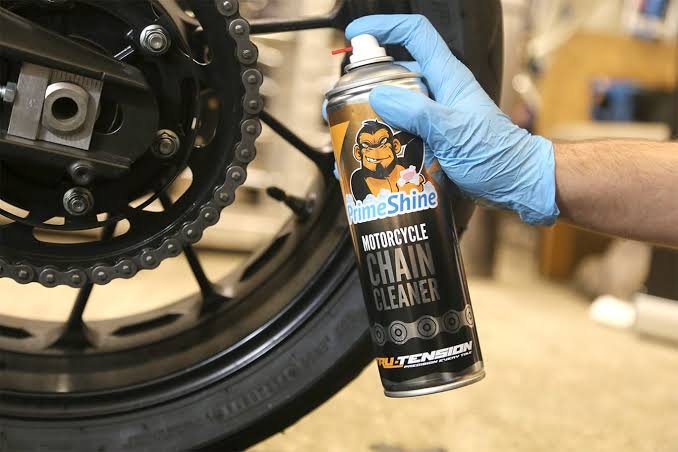
How to Clean the Chain Properly
- Use a dedicated chain cleaning brush or an old toothbrush, along with kerosene or a proper chain cleaner solution
- Work the brush into the chain links, rotating the wheel slowly to cover the full chain length
- Wipe off excess grime with a clean cloth before it dries onto the chain
- Let the chain air-dry fully before applying any lubricant
Don’t use petrol for cleaning — it’s a genuine fire risk and not actually more effective than proper chain cleaner or kerosene.
Lubrication: Don’t Overdo It
A common mistake is applying too much lubricant, thinking more is better. Excess lube actually attracts more dust and dirt, which then grinds into the chain and speeds up wear rather than preventing it.
- Apply lubricant sparingly, directly onto the chain rollers, not the outer plates
- Wipe off excess after a minute or two of application
- Reapply every 400-500 km, or sooner if you’ve ridden through rain or dusty conditions
Chain Slack: Getting It Right
Too tight a chain wears out the sprocket faster and stresses the gearbox. Too loose, and it can jump off the sprocket entirely, which is genuinely dangerous mid-ride. Most manufacturers specify 20-25mm of vertical play as the ideal range — check your owner’s manual for your specific model.
Signs Your Chain Needs Replacement
- Visible rust that doesn’t clean off with normal maintenance
- Stiff links that don’t flex smoothly when you manually bend the chain
- Excessive noise even after proper cleaning and lubrication
- Visible elongation, where the chain no longer sits snugly on the sprocket teeth
Picture a delivery rider clocking 50-60 km daily who skipped chain checks for months — by the time he noticed the noise, both chain and sprocket needed replacement together, nearly double the cost of catching it earlier. [link to 125cc commuter bike guide here]
Sprocket Wear: What to Look For
Hooked or shark-fin shaped teeth on the sprocket are a clear sign of wear, usually caused by prolonged chain neglect. If you’re replacing the chain, it’s often worth checking sprocket condition at the same time, since a worn sprocket will wear out even a brand new chain faster.
Cost of Neglect vs Regular Maintenance
Regular chain maintenance costs next to nothing — some lubricant and fifteen minutes monthly. Neglected chain and sprocket replacement together can cost ₹1,500-3,000 depending on your bike, a completely avoidable expense with basic upkeep.
FAQ
How often should I clean and lubricate my bike chain? Clean every 500-800 km and lubricate every 400-500 km, or more frequently if you’ve ridden through rain, mud, or heavy dust.
What’s the best lubricant for a bike chain? Dedicated chain lube designed for motorcycles works best; avoid using engine oil or generic grease, which attract dirt and don’t penetrate chain links properly.
How do I know if my bike chain needs replacement? Look for visible rust, stiff links, excessive noise, or visible elongation where the chain no longer sits snugly on the sprocket.
Does chain neglect damage the sprocket too? Yes, a poorly maintained chain accelerates sprocket wear significantly, often requiring both to be replaced together, which costs considerably more.
What is the correct chain slack for most bikes? Most manufacturers recommend 20-25mm of vertical play, though this varies by model — always check your specific owner’s manual.
Conclusion
Getting bike chain maintenance right is one of the simplest, cheapest habits that genuinely extends your bike’s lifespan and keeps rides smoother. Set a monthly reminder if you have to — fifteen minutes of cleaning and lubrication now saves you a much bigger repair bill later.