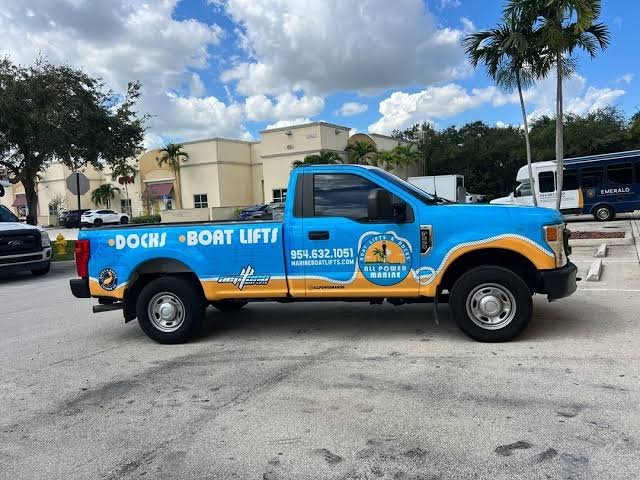
A business vehicle can do more than get employees from one job to the next. It can introduce a company to new neighborhoods, remind existing customers that help is nearby, and make a brand recognizable long before anyone visits the website. The interesting part is that this happens during ordinary moments: sitting in traffic, pulling into a parking lot, or stopping outside a customer’s home.
That kind of visibility is one reason vehicle branding remains appealing to businesses of different sizes. It puts the company’s identity into the real world, where people can see it naturally rather than encountering it as another advertisement on a screen. But a good result takes more than placing a logo on a door. Design, materials, installation, and the way a vehicle is used all play a part.
Why Vehicle Branding Works for Local Businesses
Local businesses often depend on familiarity. People want to know who’s working in their neighborhood, which company serves their area, and whom they might call when something needs fixing. A professionally branded vehicle can help answer those questions without a sales conversation.
Imagine a homeowner seeing the same heating and cooling van on several streets over a few weeks. Even if they don’t need a technician today, the company name may become familiar. When an issue comes up later, that recognition can make the business easier to remember.
For companies exploring vehicle wraps mn, the goal should be to create a design that fits the local audience while remaining clear from a distance. A wrap can display the business name, logo, services, phone number, and website, but not every detail deserves equal attention. The strongest designs give people a simple message they can absorb quickly.
It’s worth considering the vehicle’s regular routes, too. A van that spends most of its time in residential areas may need a different approach from a truck that travels along highways or visits industrial sites. Understanding where and how the vehicle will be seen helps shape a more useful design.
A Clear Design Is Better Than a Crowded One
It’s tempting to use every available inch of a vehicle. Businesses have plenty to say about their experience, services, promotions, and contact details, so the design can quickly become overloaded. Unfortunately, a vehicle moving through traffic isn’t a brochure. Most people won’t have time to read a long paragraph printed across its side.
Start with the essentials. The company name should be easy to recognize, and the logo should remain legible at a glance. A short service description can explain what the business does, while a website or phone number gives interested viewers a next step.
Color choices deserve attention as well. Strong contrast makes text easier to read, particularly when a vehicle is viewed in bright sunlight or from across a street. Fonts should be simple enough to remain clear at different distances. Decorative type may look attractive in a design mock-up but can become difficult to understand once applied to a curved panel.
Designers also need to account for the physical vehicle. Handles, hinges, body lines, windows, and door gaps can interrupt important elements. A logo split across a seam, for instance, may look untidy or become difficult to recognize when the door opens.
Fleet Branding Requires Consistency
When a company operates several vehicles, the challenge changes slightly. Each vehicle needs to look like part of the same organization, even if the models and sizes differ. Consistent logos, colors, typography, and message placement help customers recognize the business across its fleet.
Well-planned fleet graphics can also make operations look more organized. A group of vehicles with consistent branding creates a unified appearance when parked at a job site or arriving at a commercial property. For customers, that consistency can support a sense of professionalism.
However, consistency doesn’t mean every vehicle must have exactly the same layout. A small service car has different proportions from a high-roof van or a box truck. The design system should allow those differences while keeping the most recognizable brand elements in place.
Businesses should also think about future growth. If more vehicles are likely to be added next year, choosing a flexible design system now can make later installations easier. Keeping logo files, color specifications, and layout guidelines organized helps ensure that new vehicles match the existing fleet.
Materials and Installation Make a Real Difference
A vehicle wrap has to withstand conditions that ordinary indoor graphics never face. Sunlight, rain, road grime, temperature changes, and regular washing all place stress on the material. A design that looks sharp on installation day should still look presentable after months of everyday driving.
That is where premium materials can be worth considering. Suitable vinyl and protective laminates can help the graphics maintain their appearance, depending on the product, installation quality, and care routine. The right material varies with the vehicle’s shape, paint condition, expected lifespan, and whether the finish is printed, colored, textured, or reflective.
Before approving a project, ask the installer which products will be used and what their warranties cover. Clarify whether the quoted price includes surface preparation, installation, finishing, and any necessary removal of old graphics. A low estimate may not include all the same services as a more detailed proposal.
Preparation is particularly important. Dirt, wax, and residue can interfere with adhesion, while damaged or peeling paint may create problems during application or removal. An experienced installer should inspect the vehicle beforehand and explain any concerns rather than simply covering them up.
Maintenance Helps Protect Your Investment
Once the wrap is installed, regular care can help it stay attractive. Dust and road grime can gradually dull the surface, especially around wheel arches and lower panels. Gentle washing according to the manufacturer’s instructions is usually a sensible approach.
Avoid assuming that every cleaning product is safe for every finish. Abrasive tools and harsh chemicals may damage the vinyl or protective layer. Automatic car washes can also affect certain installations, so it’s best to ask the provider which methods are suitable.
Inspect the graphics occasionally for lifting edges, scratches, or areas where damage is developing. Addressing a small issue early may prevent it from spreading. If a vehicle is frequently exposed to harsh weather or spends long hours outdoors, it may need more regular attention than one used for short local trips.
The condition of the underlying paint matters, too. Wraps can protect some painted surfaces from everyday exposure, but they aren’t a substitute for proper vehicle care, and they cannot correct existing paint defects.
Evaluate the Results With Realistic Expectations
Vehicle branding is a long-term visibility tool, not a guarantee of immediate sales. Results depend on where the vehicles travel, how often people see them, whether the design is memorable, and how effectively the company responds when potential customers make contact.
Businesses can make the investment easier to evaluate by asking new customers how they heard about the company. A dedicated web address or a simple phrase printed on the vehicle can also help people find the business later. Over time, these observations offer useful clues about whether the branding is supporting awareness and inquiries.
It’s also important to keep the message current. If the phone number changes, services are updated, or a company adopts a new logo, outdated graphics can create confusion. Planning for future changes before installation may help reduce the cost and inconvenience of updating vehicles later.
Turn Everyday Travel Into Brand Recognition
A vehicle wrap doesn’t need to shout to be effective. It needs to be clear, consistent, and appropriate for the business it represents. When the design is readable and the installation is handled carefully, a company vehicle can become a familiar sight in the places where its customers live and work.
The best approach starts with a practical plan: decide what people should remember, select a design that suits the vehicle, choose materials that match its working conditions, and understand the care required afterward. Done thoughtfully, vehicle branding can make ordinary journeys more useful while helping a business build recognition one street, customer, and impression at a time.